
Guidance for citizens on protecting minors online
The internet is a new world and, for many, an unfamiliar one. It offers interactivity and a rapid succession of images and emotions. It is a virtual society that develops in parallel with reality.
However, the safety of our home, where the computer is located, can lead us not to perceive the threat, since the danger is not immediate and visible.
Let us look together at the internet risks that concern our children most!
Knowing the safety rules, developing critical thinking and awareness, and being able to recognise risks are essential tools for safe browsing.
1. Personal data, such as full name, age, place of residence, occupation, education, and financial and family status, are used on a daily basis as we browse the internet.
2. The social media that minors use every day create a virtual reality that is very attractive and interactive, but which also hides risks (promotion of a perfect human ideal, misleading news/fake news, violation of privacy, etc.).
3. Cyberbullying is any act of intimidation, aggression, harassment, or threatening or domineering behaviour carried out through the internet and mobile phones. For an act to be characterised as bullying, it must be systematic, intentional, aimed at hurting someone, and there must be an imbalance of power between the individuals involved.
4. Internet addiction. If a child spends many hours online, we should watch for warning signs and find a way to manage the situation. It is important that limits and rules on time spent online have been set from an early age, so that children develop the necessary self-control and self-discipline.
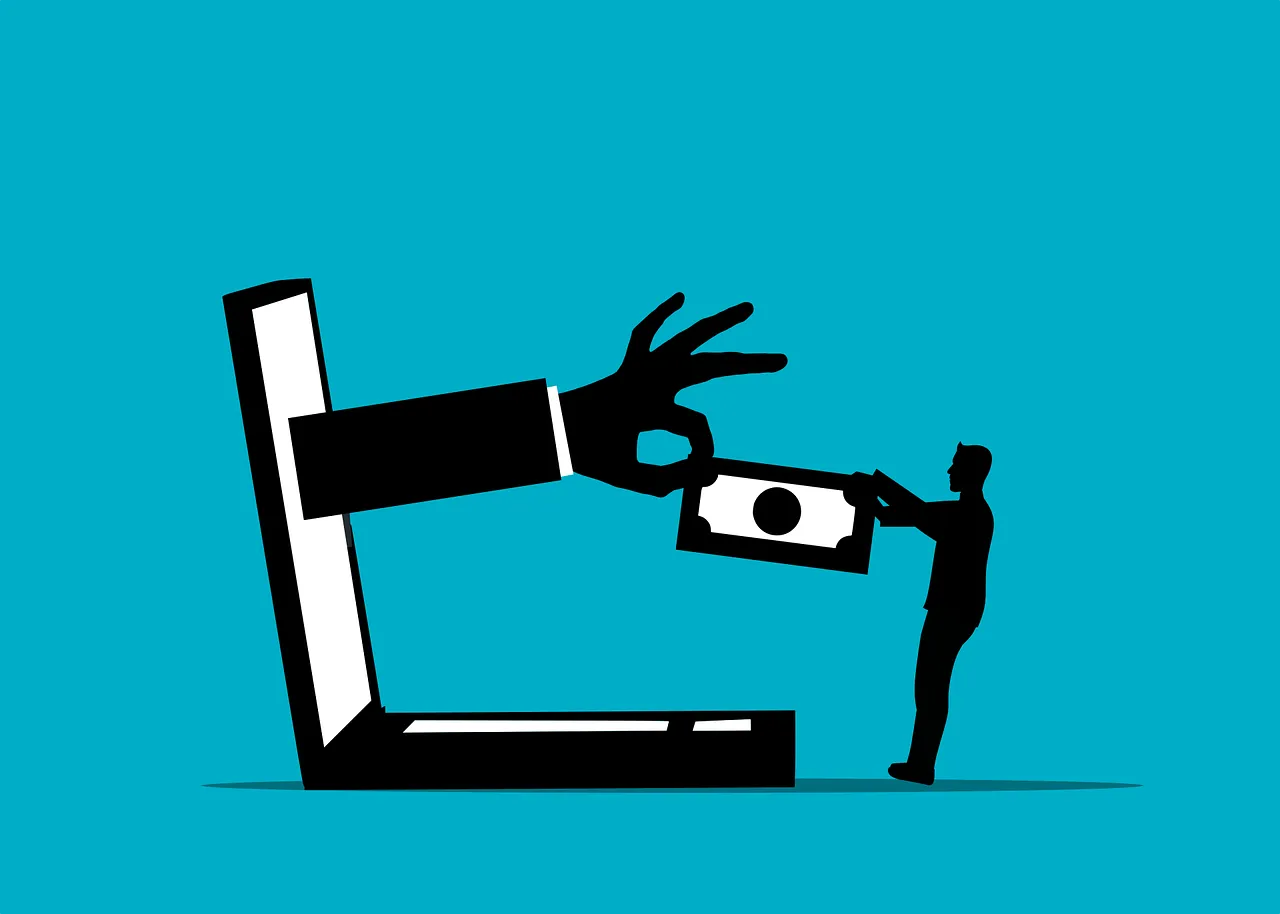
5. Sexual blackmail and coercion of minors. Minors often chat online with other users, whether known to them or not. Malicious users exploit childhood innocence in order to persuade the minor to send them personal details, produce original material (photographs or videos), pay money, meet them or take other actions.
Tips
We set the right example through our own online behaviour, following the rules of safe browsing. Adults act as role models for children.
We talk to our child about their online life and keep informed about their online interests, their accounts on social media, online games and apps. We make time to browse the internet together with our child on the sites and apps they are interested in.
Together with our child we check the security and privacy settings of their accounts and make sure that they have enabled two-step verification, and that the passwords they use are secure (at least 8 characters, combining symbols, numbers and letters).
We talk with our children so that they realise that the friends on their profile should only be their friends in real life too. Under no circumstances should they accept strangers, or even “friends of friends”.
We talk with our children about the dangers of exposing personal data (full names, home addresses, telephone numbers, schools, etc.), photographs (indecent or otherwise), and even e-mail addresses on websites, apps and online services. We stress that sending photographs to a known person at a given moment may have negative consequences in the future.
It is advisable to avoid entering websites and chat apps that are unfamiliar to children and that allow conversations with strangers, as well as those that use a camera.
It is advisable to avoid opening any link of unknown origin.
At young ages we can support children as they become independent online by installing a parental control app, which can help children browse the internet safely and parents monitor the content of the websites they visit.
We remember that at older ages communication is based on trust.
If we notice any problem, we stay calm, listen to the whole story without interrupting the child, preserve any evidence (screenshots of photographs/messages), report the incident to the authorities and ask for specialist help.
Guidance for minors on protection online
The internet is a new world and, for many, an unfamiliar one. It offers interactivity and a rapid succession of images and emotions. It is a virtual society that develops in parallel with reality.
However, the safety of our home, where the computer is located, can lead us not to perceive the threat, since the danger is not immediate and visible.
Let us look together at the risks that concern us!
1. Personal data such as full name, age, place of residence, occupation, family status, education and financial situation are used on a daily basis when browsing the internet.
2. The social media we use every day create a virtual reality that is very attractive and interactive, but which also hides risks (promotion of a perfect human ideal, misleading news/ fake news, violation of privacy, etc.).
3. Cyberbullying is any repeated act of intimidation, aggression, harassment or threatening behaviour carried out through the internet and mobile phones.
4. We use the internet with limits and rules, without losing track of the time we spend on it. In this way we avoid internet addiction and spend our free time creatively in real life.
5. Sexual blackmail and coercion of minors. Users, whether known to us or not, often try to chat with us online, wanting to persuade us to send them personal details, photographs or videos, or money, or to meet up with us. Sending photographs, even to a known person, at a given moment may have negative consequences in the future.
Tips
Follow the same rules online that you follow in real life.
Talk to your parents about your online life, just as you do about your real one, and browse the internet with them to show them your interests.
Make sure the accounts you keep on social media, in online games and in apps are secure, by carefully checking their security settings and using a complex password and two-step verification.
If you have an account on a social networking website, avoid posting personal details (full name, address, telephone number, school), as well as photographs of yourself or your classmates.
Set your accounts to private and do not accept friend requests from strangers, or from “friends of friends”. Remember that even private accounts are not completely safe, as there is always a chance that your account, or a friend’s, may be compromised and the material you have uploaded exposed.
Do not send personal photographs, even to people you know.
Avoid websites where you can chat with strangers, where usernames are not displayed, or where a camera is required.
Play online games with limits and rules, avoiding conversations with unknown users.
Never turn on your camera to chat online with strangers.
Malicious users who approach minors online are always available and supportive at first, and they know your interests in order to approach you. Their aim is to give you the feeling that “you can handle them”.
If a user makes you feel uncomfortable in an online conversation, or asks you to take a photograph showing your body and send it, do not do it under any circumstances, and immediately tell an adult you trust.
Do not open messages/e-mails, and especially the links in them, even if they have been sent to you by a friend.
Remember: if something happens to you online that puts you in a difficult position, you must speak up rather than suffer in silence. Talk it over with an adult you trust, showing courage, and save any evidence you have available (screenshots of photographs/messages).
For immediate information on matters concerning the Cyber Crime Division, follow us on social media:
Facebook: https://www.facebook.com/cyberkid.gov.gr/ and
https://www.facebook.com/CyberAlertGR/
Twitter: @cyberalertGR and
Instagram: @cyberalert.gr.
For mobile devices (smartphones, tablets), download the CYBERKID app and the FEELSAFE app free of charge.
For any matter concerning unlawful behaviour on the internet, contact the Cyber Crime Division in the following ways:
– Telephone: 11188
– Fax: 213-1527471
– Email: ccu@cybercrimeunit.gov.gr
– Via the portal at: https://goo.gl/vOHdVb
– Postal address: 173 Alexandras Ave., PC 11522, Athens
Northern Greece Cyber Crime Sub-Division:
– Telephone: 11188
– Fax: 213-1527666
– Email: ydheve@cybercrimeunit.gov.gr
– Postal address: 326 Monastiriou St., PC 54121, Thessaloniki